
Trust the Experts at Ambient Edge for Blown-In Attic Insulation
When attic insulation is thin, uneven, or starting to break down, you’ll feel it quickly. Blown-in insulation helps correct room-to-room temperature inconsistencies by filling gaps your older insulation couldn’t for complete coverage.
At Ambient Edge, we approach blow-in attic insulation in Las Vegas as a whole-home comfort solution. Our focus is not just on installing insulation but also on understanding why your home is not holding temperature properly and correcting it. The result? Improved airflow, less system strain, and lower cooling costs.
What Is Blown-In Insulation?
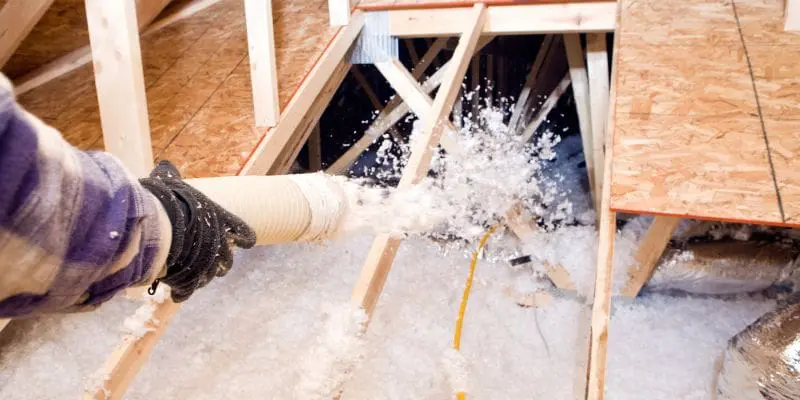
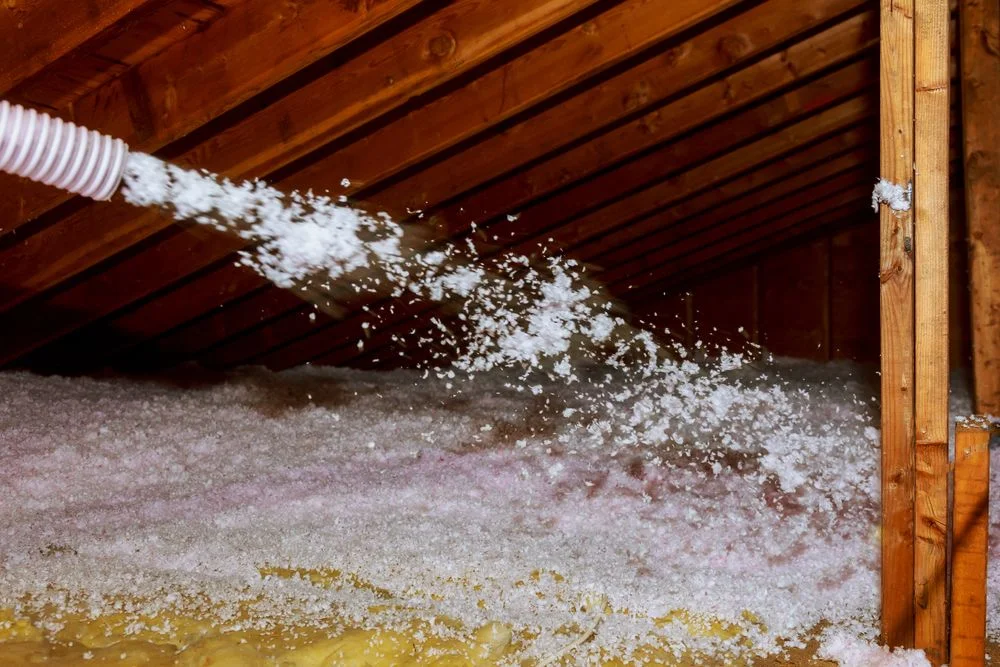
Blown-in insulation, also known as loose-fill insulation, is applied using specialized equipment that evenly distributes the material throughout your attic. Instead of laying down pre-cut sections, the insulation is blown into place, allowing it to settle into corners, gaps, and uneven surfaces where air tends to escape.
This approach is especially useful in homes where insulation has shifted over time or where coverage was never consistent to begin with. Instead of removing everything, it can be added over existing material to improve performance.
In areas like Las Vegas and Mohave County, where extreme temperatures are part of everyday life, that added coverage helps slow how quickly heat enters your home and keeps indoor temperatures more stable.
The Benefits of Blown-In Insulation
Improved home comfort is just the beginning when you install blown-in attic insulation in Las Vegas:
Lower Energy Bills
When heat moves freely into your home, your system has to work harder to keep up. Blown-in insulation helps slow that transfer, so your AC can maintain temperature without running longer than needed.
Reduces Temperature Fluctuations
If certain rooms heat up faster than others, uneven insulation is often part of the problem. Filling in those gaps helps create a more balanced environment, so your home feels consistent from one space to the next.
Increases Your HVAC System’s Efficiency
When your home is properly insulated, your system does not have to cycle as frequently to correct it. That reduces unnecessary strain and helps your equipment operate more efficiently over time.
Cost Effective
Because it can be added over existing insulation in many cases, blown-in insulation improves performance without requiring a full removal or rebuild, making it a practical upgrade for many homes.
Simple Installation
The process is designed to be efficient and minimally disruptive. Most installations can be completed without major changes to your home, while still delivering noticeable results.
Reduces Pests
By filling small gaps and openings, blown-in insulation can help limit the spaces where pests tend to enter or settle, especially in attics.
The Three Most Common Types of Blown-In Insulation
The type of insulation you use can change how your home feels day to day. Some materials do a better job filling gaps, while others hold up better over time, so the right fit often comes down to what is already in your attic and where things are falling short.
Here is a quick look at how the most common options compare:
Quick Comparison
Type | Best For | Key Benefit | Consideration |
Cellulose | Older homes, topping off existing insulation | Dense coverage that fills gaps well | Can settle slightly over time |
Fiberglass | General use, attics with existing fiberglass | Lightweight and moisture-resistant | Less dense than cellulose |
Mineral Wool (Rock Wool) | High heat areas, added durability | Strong fire and moisture resistance | Higher upfront cost |
Cellulose
Cellulose insulation is made from recycled paper that is treated to resist fire and pests. It has a heavier, more compact feel, which helps it settle into tight spaces where air tends to slip through.
That makes cellulose a strong option for homes where insulation has shifted over time or where coverage was never consistent to begin with. It tends to fill in those uneven areas more completely, helping your home hold temperature more evenly from top to bottom.
Fiberglass
Fiberglass is one of the most widely used materials for blown-in insulation, especially in attics that already have fiberglass in place. It is lightweight and spreads easily, making it a practical choice for improving coverage without overcomplicating the space.
It also holds up well against moisture and retains its structure over time, helping maintain consistent performance. For many homes, it is a reliable way to improve insulation without switching materials.
Mineral Wool or Rock Wool
Mineral wool, often referred to as rock wool, is built for durability and performs well in higher-heat environments. It is made from natural or recycled minerals and is known for holding its shape even when attic conditions fluctuate.
In places like Las Vegas and Mohave County, where attic temperatures can rise quickly, that added resilience can maintain effective performance over time. It also has sound-damping properties that can help reduce outside noise and make your home feel a bit quieter.
What Sets Us Apart
Any home service company can promise great results, but what sets us apart is our expertise and commitment to 5-star customer service. At Ambient Edge, we offer the following:
Industry-Leading Warranties & Guarantees
100% Satisfaction Guarantee
NATE Certified Technicians
5-Star Customer Experience
Blown-In Insulation Frequently Asked Questions
How Much Blown-In Insulation Will I Need?
It depends on your attic size, the condition of your existing insulation, and the amount of coverage already in place. The easiest way to get a clear answer is to have your attic professionally inspected so you know exactly what your home needs.
How Long Does Blown-In Insulation Last?
Blown-in insulation is built to last for years, but like anything in your attic, it can shift or settle over time. Most homeowners do not have to think about it often, but it is a good idea to check in on it routinely to ensure everything is still working properly.
What Are the Best Times of Year to Install Blown-In Insulation?
Insulation can be installed at any time of the year, but many homeowners choose to address it before peak summer temperatures or as they head into cooler months. That timing helps prepare your home for temperature swings.
Can Blown-In Insulation Make My Home Quieter?
It can help reduce sound transfer, especially from outside noise or between different parts of the home. While it is not a full soundproofing solution, the added density can make the interior of your home noticeably quieter, especially in rooms near the attic.