If your HVAC is running but not cooling, the most common causes are a clogged air filter, dirty or frozen evaporator coils, low refrigerant, or an outdoor condenser unit coated with dust and debris. Arizona’s dry climate and frequent dust storms accelerate all of these problems, forcing your system to work harder while delivering less cooling. Many issues can be identified with a simple visual inspection, while refrigerant and electrical problems require a licensed HVAC technician.
If your HVAC is running but not cooling, it can feel like your system has quit at the worst possible time, especially during desert summers. Before assuming you need a major repair, it’s worth checking for a few common issues that are often made worse by desert dust.
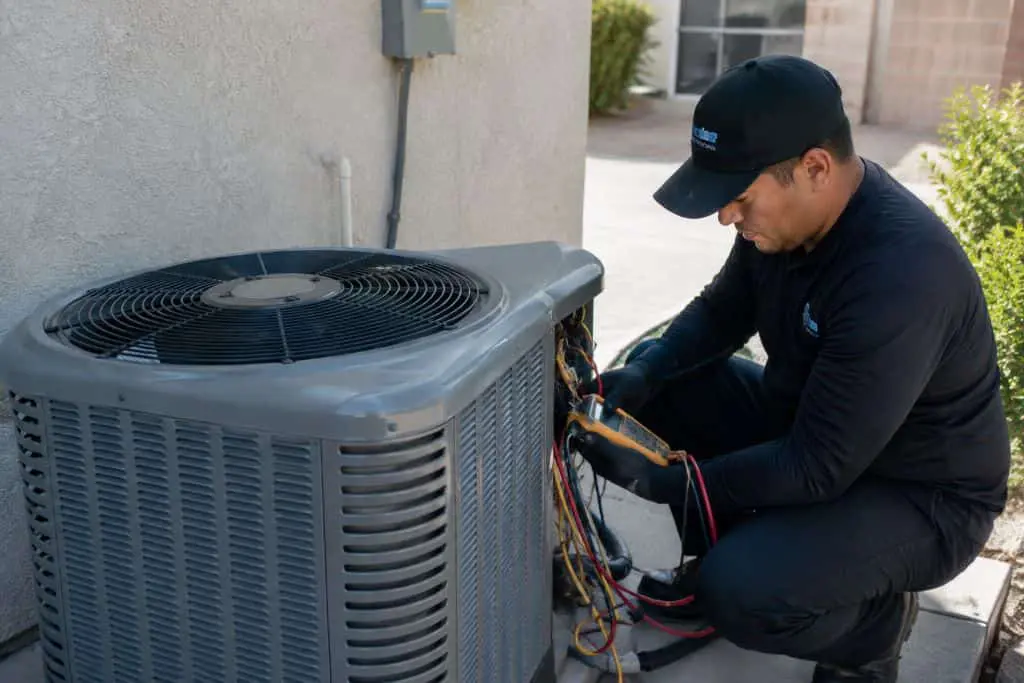
After major haboobs and wind events, our technicians at Ambient Edge regularly respond to service calls caused by dust-clogged filters, dirty coils, and overheated outdoor units. Knowing what to check first can help you restore cooling faster and know when it’s time to call a professional.

Why Your HVAC Runs Without Cooling
If your HVAC isn’t cooling your home, some of the most common causes we see include:
- A clogged air filter. Dust-packed filters restrict airflow, making it difficult for your system to circulate cool air.
- Dirty or frozen evaporator coils. When coils become coated with dirt or ice, they can’t absorb heat efficiently.
- Low refrigerant. Without the proper refrigerant charge, your HVAC system can’t remove heat from your home.
- A dirty or overheated outdoor condenser. Arizona heat combined with desert dust makes it harder for the outdoor unit to release heat.
- A thermostat or electrical problem. Sometimes the indoor fan operates normally while the compressor never starts.
How to Tell If the Compressor Is Actually Running
Many homeowners hear the outdoor fan spinning and assume the entire system is working. In reality, the fan and compressor are two separate components.
To determine whether your compressor is running:
- Listen for two distinct sounds at the outdoor unit: the fan spinning and a deeper compressor hum.
- Carefully feel the larger insulated refrigerant line coming from the outdoor unit. It should feel cool if the system is actively cooling.
- Place your hand on the cabinet. A slight vibration usually indicates the compressor is operating.
If the fan is spinning but you don’t hear the compressor and the refrigerant line isn’t cool, the system may be stuck in fan-only mode, have a tripped breaker, or be experiencing an electrical issue.
The 2-Minute Visual Check Before You Call Anyone
Many cases where your HVAC is running but not cooling can be traced to a simple airflow, thermostat, or power issue, especially after an Arizona dust storm. Before calling for service, spend two minutes checking a few common problem areas:
- Check the thermostat: Make sure it’s set to COOL, not FAN ON, and lower the temperature at least 5°F below the current indoor temperature.
- Inspect the air filter: Replace it if it’s heavily coated with dust, you can’t see light through it, or it’s been installed for more than a month during Arizona’s dust season.
- Look at the outdoor unit: Clear away dust, tumbleweeds, leaves, and vegetation within two feet, and check for heavy dirt buildup on the condenser coils.
- Inspect the breaker panel: Look for a tripped breaker labeled AC, HVAC, or Air Handler. If needed, follow our guide on how to reset your AC unit.
After a haboob, it’s especially important to inspect your unit, as blowing dust can affect HVAC performance within 24 to 48 hours.
How Desert Dust Specifically Causes This Problem in Arizona
Fine desert dust doesn’t simply settle on your equipment. It works its way into filters, coats heat-transfer surfaces, and forces your HVAC system to work harder every time it runs. Combined with outdoor temperatures that regularly exceed 110°F, these conditions can quickly turn a minor maintenance issue into an AC that’s running but not cooling.
Here’s why desert dust is a common culprit in HVAC issues in Arizona:
Dust Clogs Filters Faster Than Anywhere Else in the U.S.
Your HVAC filter captures airborne dust before it reaches sensitive system components. In Arizona, that job is much harder than it is in most parts of the country.
While many filter manufacturers recommend replacing filters every 60 to 90 days, Arizona homeowners often need to inspect them monthly between May and September. Following a major haboob, some filters become heavily restricted in just a few weeks.
Dust-Coated Condenser Coils Force the Compressor to Overheat
Your outdoor condenser unit releases the heat removed from inside your home. When its coil fins become coated with fine desert dust, they can’t release heat efficiently.
As heat builds inside the system, the compressor has to work harder to keep your home cool. During Arizona summers, when outdoor temperatures already exceed 110°F, even a light layer of dust can significantly reduce cooling performance.
Frozen or Dirty Evaporator Coils
Ice usually forms on your evaporator coils because restricted airflow from a dirty filter or low refrigerant levels causes the coils to become too cold. Although it seems counterintuitive, an ice-covered coil can’t absorb heat, so the system blows little or no cool air.
If the refrigerant line feels warm while the compressor is running, refrigerant may not be circulating correctly. This can indicate a refrigerant leak or, less commonly, a faulty metering device that controls refrigerant flow.
The Mistakes Homeowners Make That Make It Worse
When your HVAC stops cooling, it’s natural to try anything that might get cold air flowing again. Unfortunately, some common troubleshooting habits can make the issue worse, including:
- Repeatedly restarting the system. Turning your HVAC off and back on won’t fix a frozen coil or high-pressure fault. It can place additional strain on the compressor.
- Setting the thermostat much lower. Lowering the temperature to 65°F won’t cool your home faster. It simply forces the system to run longer while using more energy.
- Assuming the filter is still clean. In Arizona, a filter replaced a few weeks ago may already be clogged after a dust storm. Always check it first.
- Spraying the outdoor unit with high-pressure water. Pressure washers can bend delicate condenser fins and reduce airflow. A gentle rinse is generally safe, but professional coil cleaning is the best way to remove heavy buildup.
- Assuming it’s a refrigerant problem. Low refrigerant is possible, but clogged filters and dirty coils are far more common. Rule out simple airflow issues before assuming the system needs a recharge.
When to Stop Troubleshooting and Call a Technician
Some cooling problems can be resolved with a new air filter or a quick system check, but others require professional diagnosis. If you’ve worked through the basic troubleshooting steps and your HVAC still isn’t cooling properly, it’s time to have a licensed technician inspect the system.
Call an HVAC technician if you notice any of the following:
- The evaporator coil freezes again after thawing and installing a clean air filter.
- The circuit breaker trips again immediately after being reset.
- The outdoor unit makes grinding, squealing, banging, or other unusual noises.
- Your home hasn’t cooled noticeably after about 30 minutes of operation with a clean filter and a clear outdoor unit.
- You see oily residue around refrigerant line connections, which may indicate a refrigerant leak.
A professional technician can safely test refrigerant pressures, inspect electrical components, detect leaks, and clean coils using specialized equipment.
To help prevent future breakdowns, homeowners should also schedule professional HVAC maintenance twice a year and inspect their outdoor units after major dust storms.
FAQs
Why is my HVAC running but not cooling my house?
The most common causes are a clogged air filter, dirty or frozen evaporator coils, low refrigerant, or a dirty outdoor condenser. In Arizona, desert dust can make these problems develop much faster.
Why is my AC fan running but there’s no cold air?
If the fan runs but the air isn’t cool, the compressor may not be engaging. Check the thermostat settings, inspect the breaker panel, and listen for the compressor running at the outdoor unit.
Can a dirty air filter cause my AC to stop cooling?
Yes. A clogged filter restricts airflow, which can cause the evaporator coil to freeze and prevent your HVAC system from cooling properly. Arizona homeowners should inspect filters monthly during dust season.
How do I know if my AC needs refrigerant?
Warm air from the vents, frozen refrigerant lines, or coils that won’t stay cold may indicate low refrigerant. Because refrigerant can only be handled by EPA-certified technicians, you’ll need a professional diagnosis.
Why does my AC cool in the morning but struggle in the afternoon?
As outdoor temperatures climb, a dusty condenser loses efficiency and struggles to release heat, making it harder for your system to keep up during the hottest part of the day.
Contact Ambient Edge For Your HVAC Repairs in Las Vegas & Mohave County, AZ
If your HVAC is running but not cooling your home, don’t ignore the warning signs. Addressing airflow problems, dirty coils, or refrigerant issues early can help prevent more expensive repairs and keep your home comfortable during Arizona’s hottest months.
At Ambient Edge, we provide trusted residential and commercial HVAC services throughout Las Vegas and Mohave County, including Kingman, Bullhead City, and the nearby communities. Whether you need expert diagnostics, preventive maintenance, or AC repairs, our experienced technicians are ready to help restore your home’s comfort.
Contact our team today to schedule your next HVAC service.